Text-to-Image Generator
Turn written prompts into original AI images online. Describe the subject, style, and composition, then generate and refine your result.
6 credits for this request
Quick start
How to Turn Text into an Image
A text-to-image generator converts a written prompt into a new visual. Start with the main subject, add useful creative direction, and choose the format before you generate.
- 1
Write a clear text prompt
Name the subject first, then add style, setting, composition, lighting, colors, or exact words that should appear in the image.
- 2
Choose the model and format
Select a model for speed or detail, choose an aspect ratio, and decide whether you want one result or several variations.
- 3
Generate, compare, and refine
Create the image, keep the strongest result, then adjust the prompt or switch models when you want a different interpretation.
Choose the workflow for your task
Use text-to-image for a new composition from a written brief. If a particular product, person or layout must guide the result, start with image-to-image. For a cutout, enlargement, wider frame or new art style, choose the corresponding image tool.
Choose the model after the task. Reference limits and output settings vary, and each new request uses the credits shown in the editor. The model guide and pricing page explain those choices.
Text-to-Image Examples and Prompts
Explore visual directions and prompt starters. Select one to adapt its instructions for your own image.
What You Can Create with Text-to-Image AI
Create images from text prompts
Describe a subject, setting, style, lighting, and camera angle in natural language. The generator turns those details into a complete image.
Explore visual ideas quickly
Generate fast drafts when you are testing a concept, then refine the strongest composition instead of starting over each time.
Make marketing and product visuals
Create product scenes, social graphics, poster concepts, thumbnails, and campaign artwork from one written brief.
Keep a consistent art direction
Repeat important details such as palette, character traits, materials, and lighting to build a more consistent visual series.
Generate multiple variations
Create up to four versions of a prompt in one run, compare the compositions, and continue with the result that best matches your idea.
Create images in the right format
Choose square, portrait, landscape, widescreen, or vertical framing before generation so the composition fits its final use.
Turn a prompt into something you can use
Direct the look, choose the right model, and compose the image for the place it needs to work.
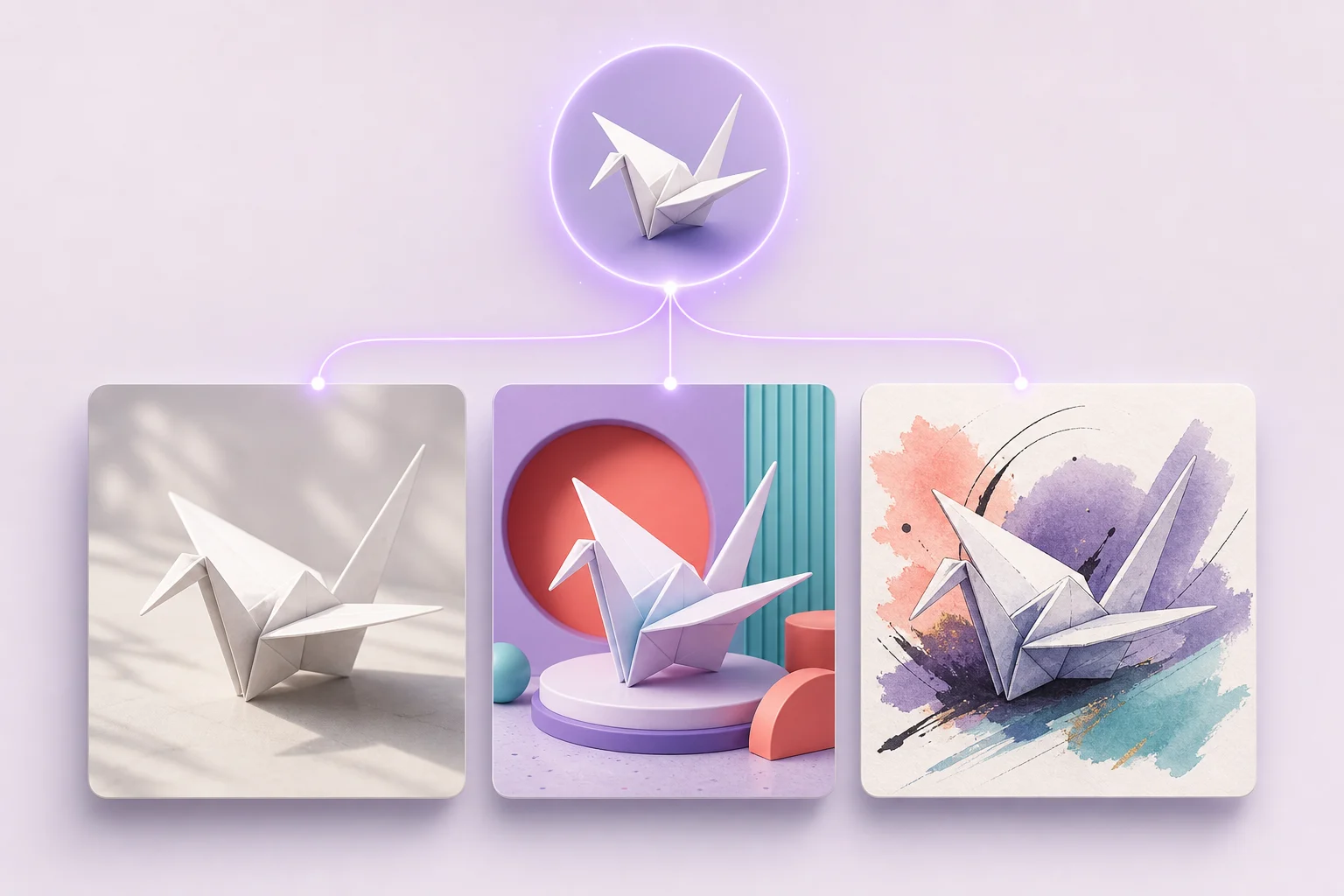
One prompt, three ways to render it
Keep your idea constant and compare the available models with the same prompt and settings. Review differences in detail, layout and reference handling alongside the displayed credit quote.
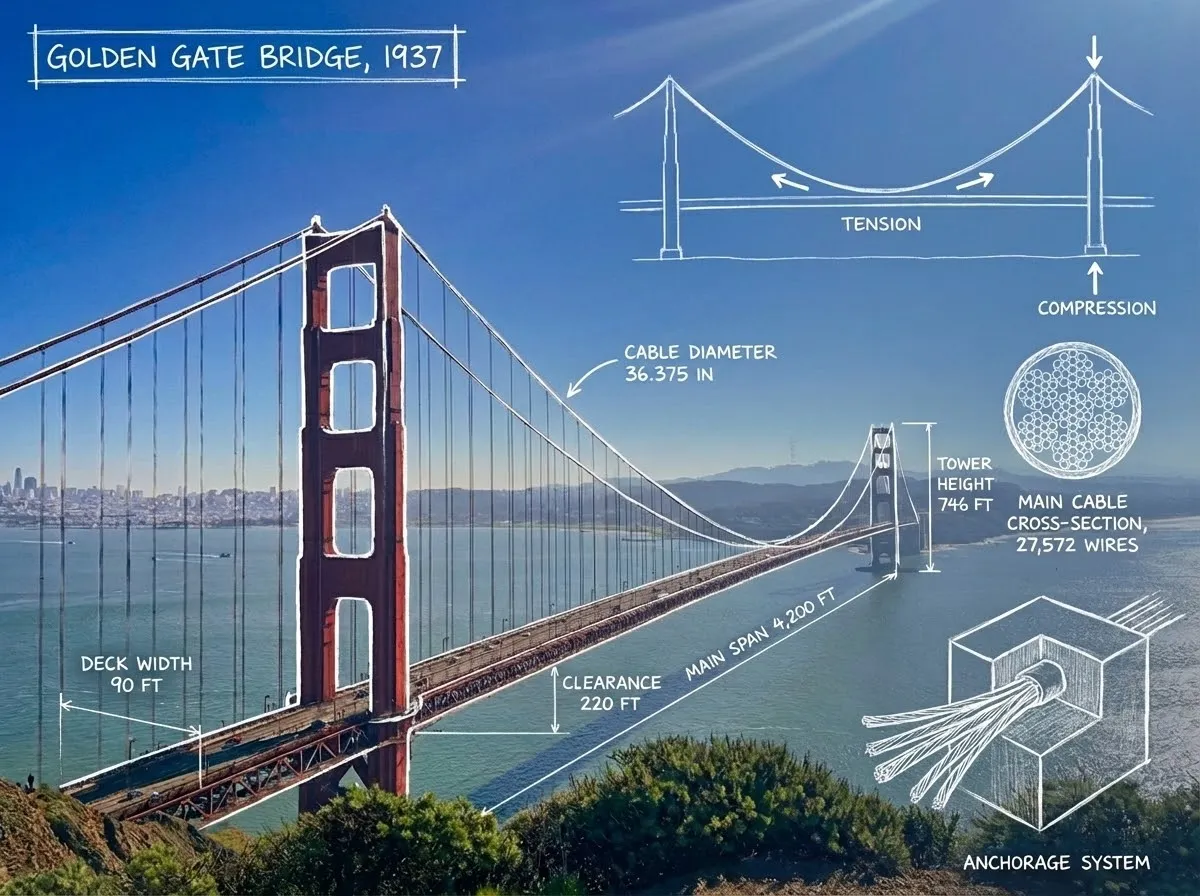
Make text part of the image
Create posters, diagrams, packaging and title cards with words in the composition. Supply the exact wording and placement, compare available models with the same brief, and check every letter in the finished image.
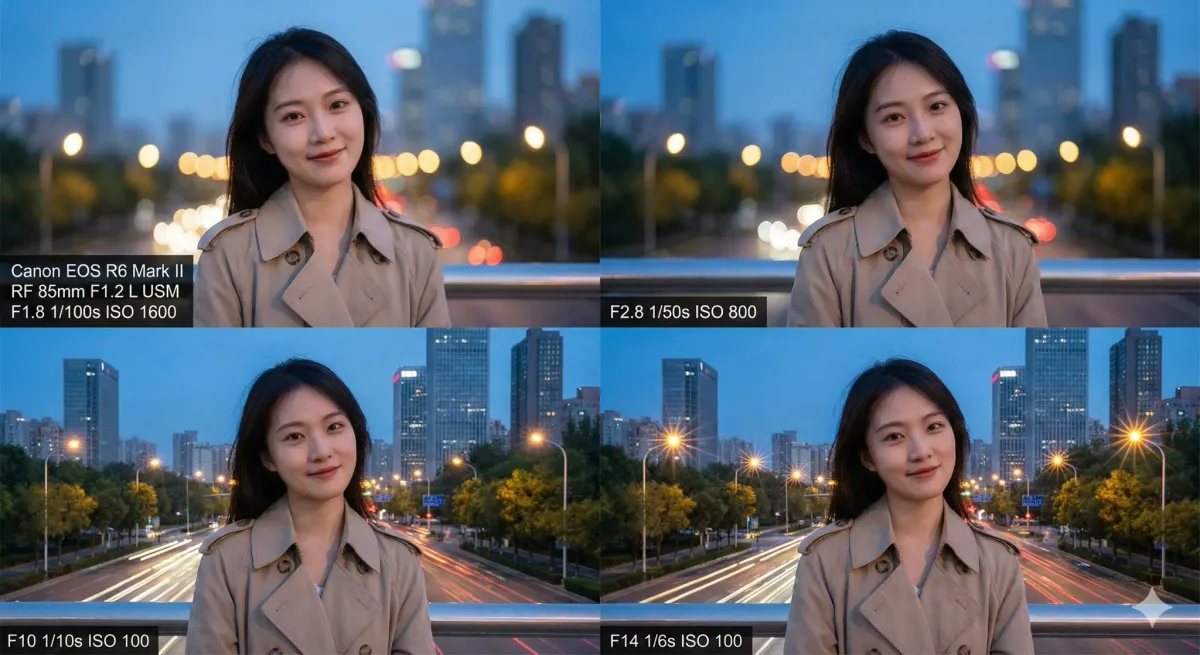
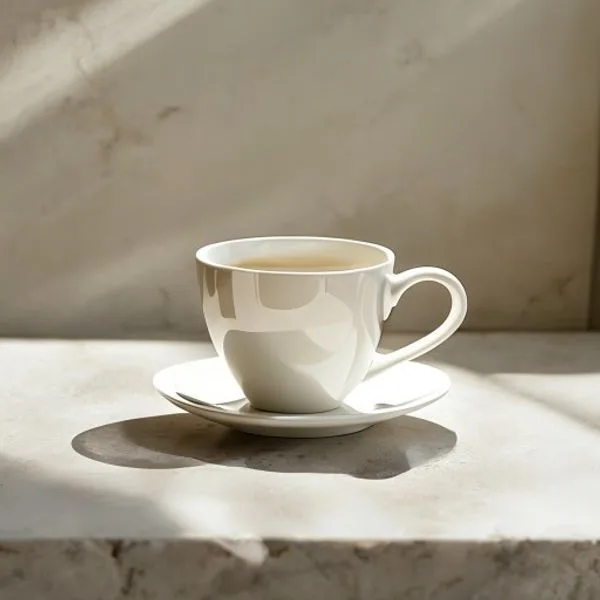
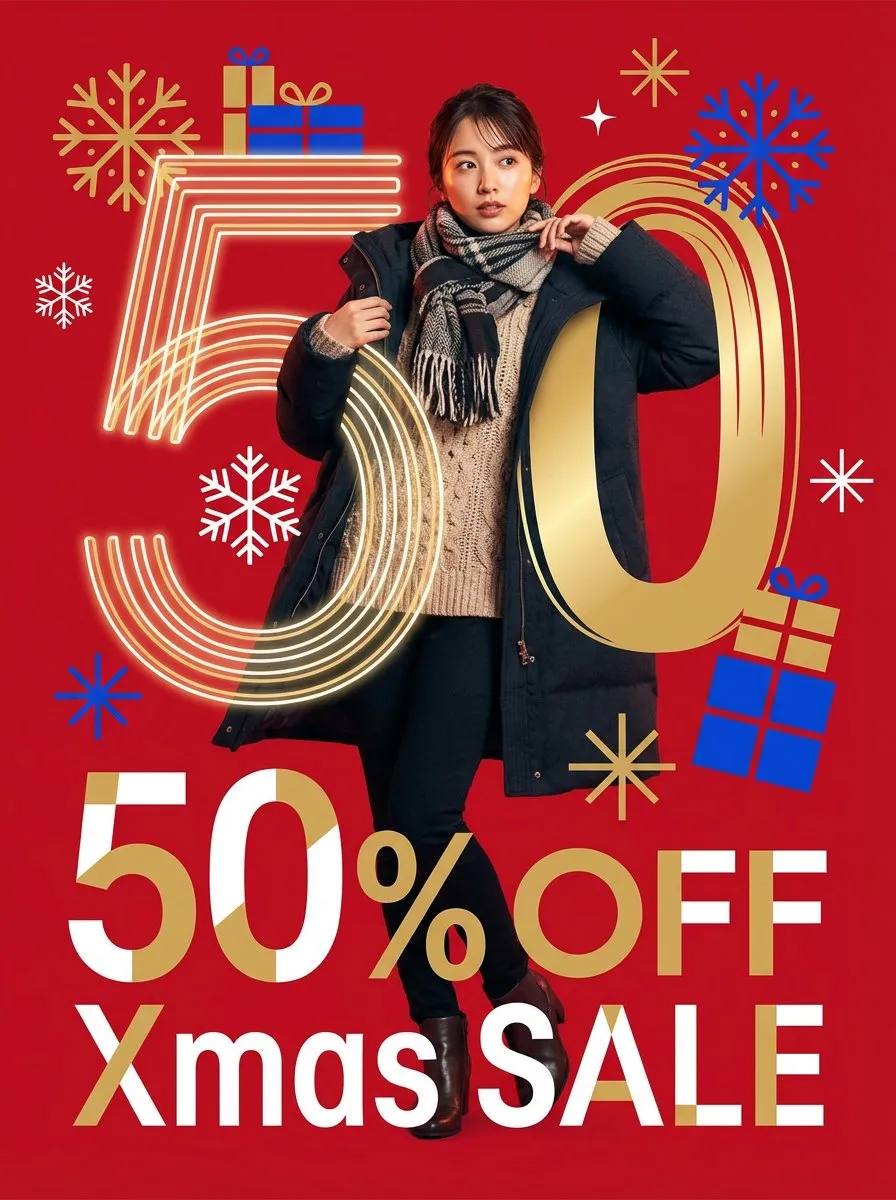
Compose for the final frame
Choose square, portrait, landscape, or widescreen before generation so the subject, negative space, and layout are designed for the destination instead of cropped into it afterward.
Text-to-Image Generator FAQ
Answers about creating images from text, prompts, credits, usage terms, and supported formats.
What is a text-to-image generator?
A text-to-image generator is an AI tool that creates a new image from a written prompt. You describe the subject and visual direction, and the model renders an image that follows those instructions.
How do I create an AI image from text?
Enter a prompt that describes the subject, style, setting, composition, and lighting. Choose a model and aspect ratio, then generate. You can edit the prompt and run it again to refine the result.
How much does text-to-image cost?
The selected model and image count determine the credit cost shown in the composer. Your available balance and current plans are shown in your account.
What terms apply to text-to-image results?
Use depends on the selected model provider’s terms and this site’s terms of service. Review both before publishing or using an image in paid work.
How do I write a good text-to-image prompt?
Start with the main subject, then add the setting, style, composition, lighting, color palette, and important details. Put exact wording in quotation marks when the image needs visible text.
Which image sizes and aspect ratios are supported?
The generator supports 1:1, 4:3, 3:4, 16:9, 9:16, 21:9, and 9:21, plus an automatic option. These formats cover profile images, social posts, presentations, banners, and phone wallpapers.
Create an AI Image from Text
Write a prompt, choose the format, and generate your first image online.